
Designing a Space for Meditation and Mindfulness
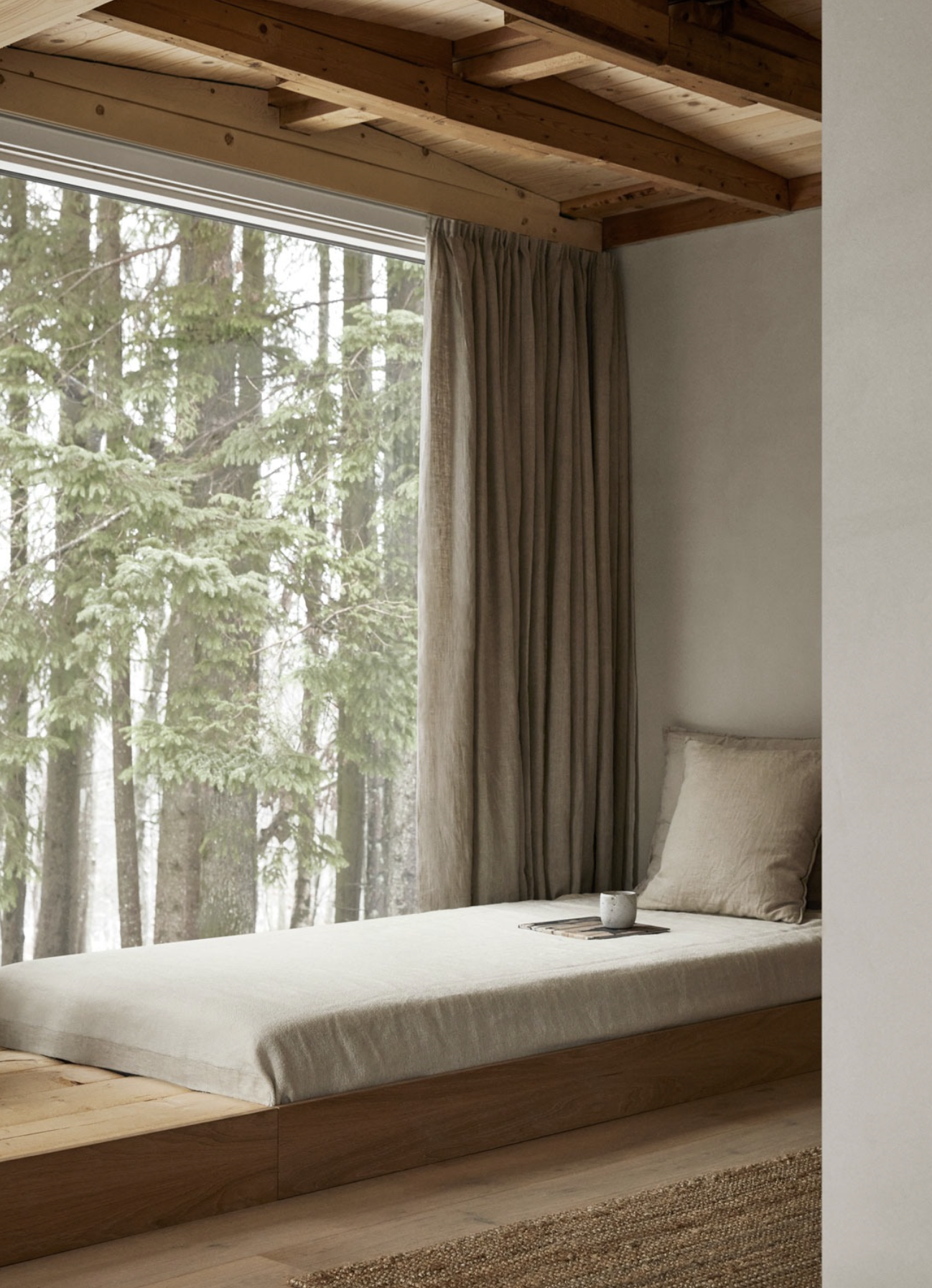
Photo sourced from: Norm Architects
In a world defined by constant stimulation, the ability to pause has become a luxury in itself.
Meditation and mindfulness are no longer viewed solely as spiritual practices—they are widely recognized as essential tools for mental clarity, emotional balance, and overall well-being. As more homeowners seek ways to support these practices at home, design plays a critical role in shaping spaces that encourage stillness rather than distraction.
A meditation space does not need to be large or elaborate. What matters most is how it feels, how it functions, and how well it supports moments of quiet presence.
The Role of Environment in Mindfulness
Your environment deeply influences mindfulness. Visual noise, poor acoustics, harsh lighting, and clutter can subtly pull attention outward, making it difficult to settle into the present moment.
A thoughtfully designed meditation space supports:
Focus and calm
Emotional regulation
A sense of grounding and safety
Consistent daily practice
Interior design, when approached with awareness, becomes a quiet partner in well-being.
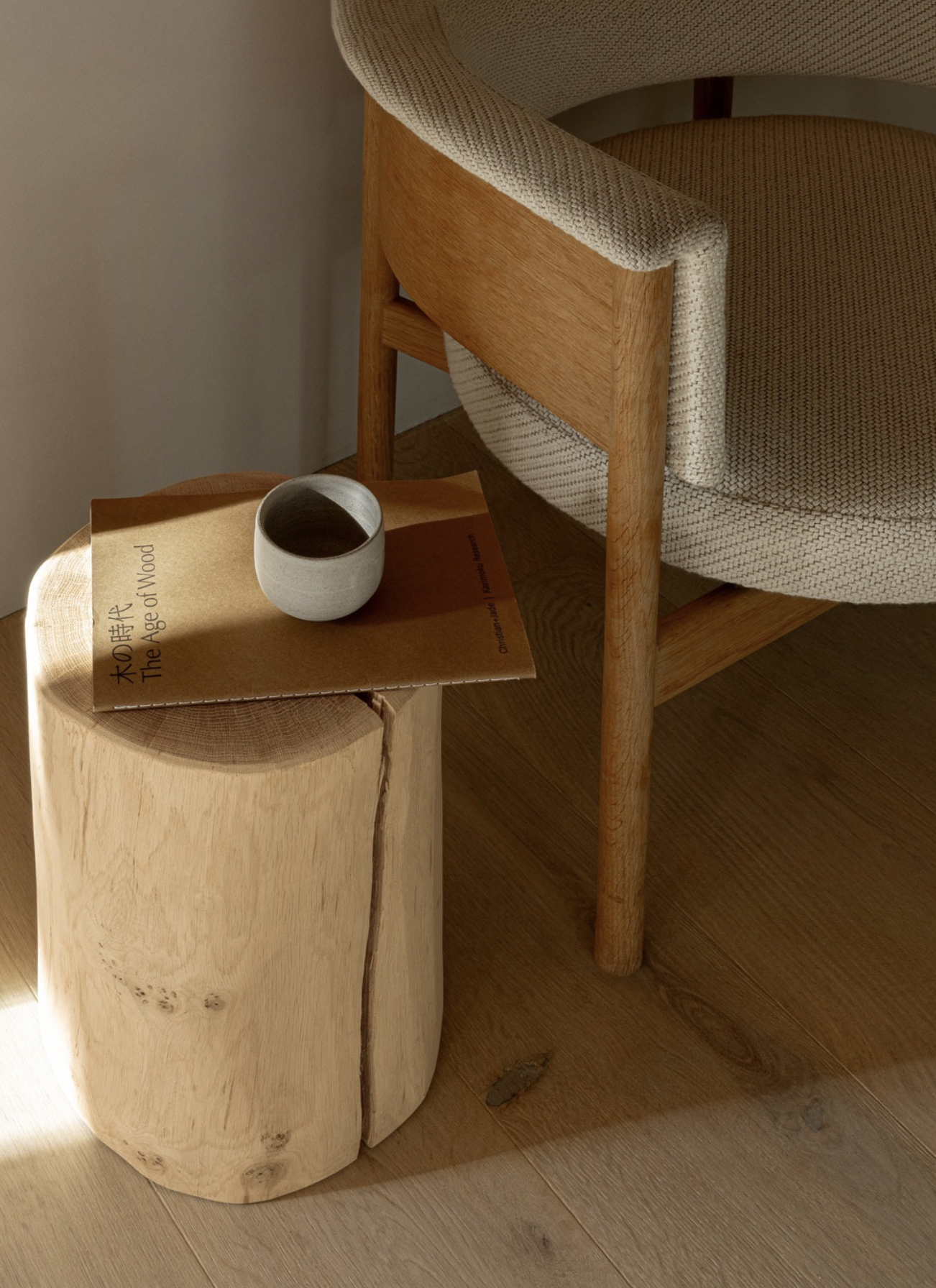
Photo sourced from: Norm Architects
Choosing the Right Location in the Home
The placement of a meditation or mindfulness space is as important as its design.
Ideal locations tend to be:
Removed from high-traffic areas
Naturally quiet
Benefiting from soft or indirect natural light
Visually separated from work or entertainment zones
For some homes, this may be a dedicated room. For others, it may be a corner of a bedroom, library, or sitting area. The goal is to create a psychological boundary that signals a shift away from daily demands.
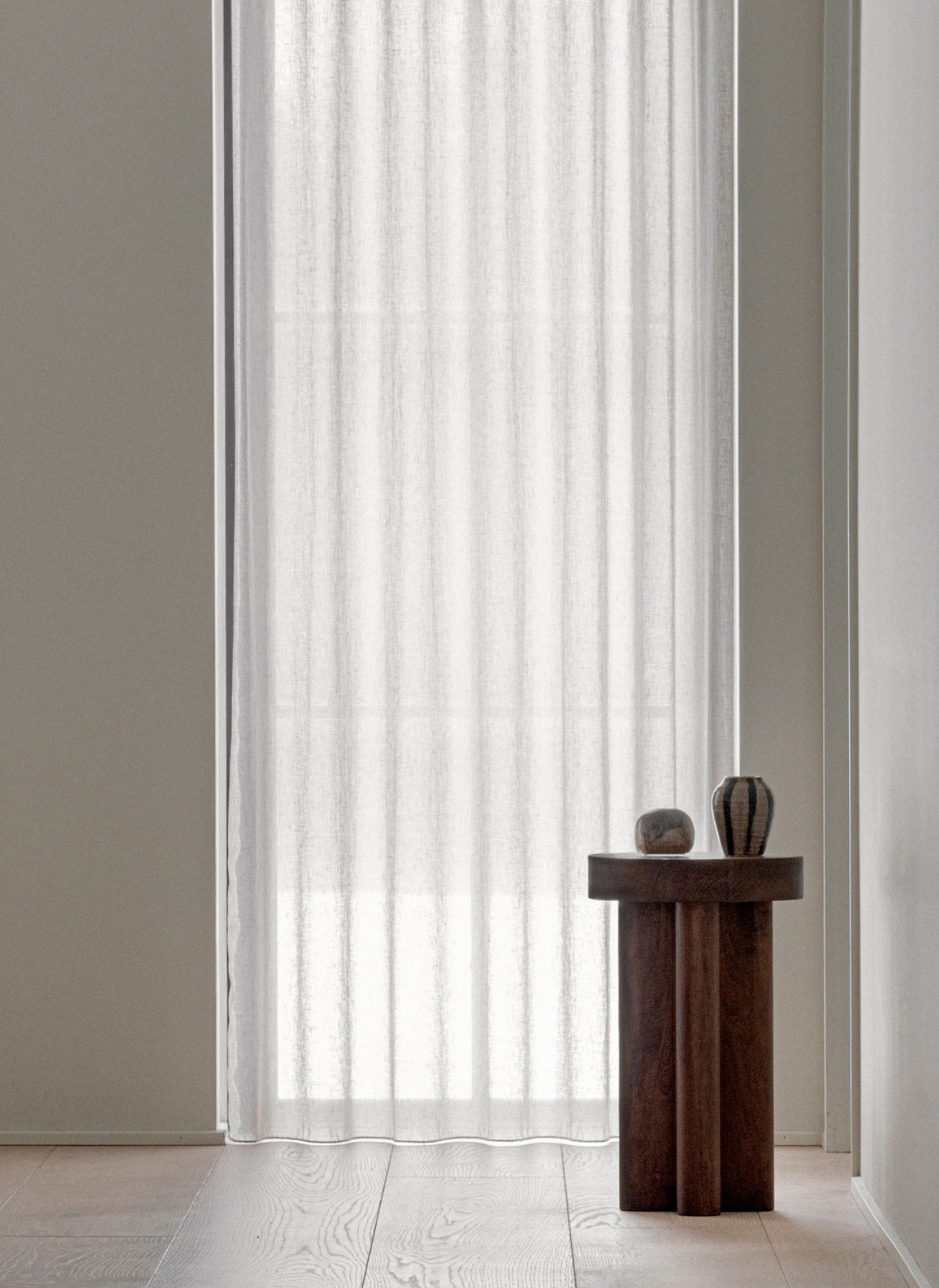
Photo sourced from: Norm Architects
Light, Sound, and Sensory Balance
Meditation spaces benefit from a carefully moderated sensory environment.
Lighting
Soft, diffused lighting supports relaxation and focus. Natural light is ideal, particularly when filtered through sheer treatments. In the evening, warm, dimmable lighting allows the body to transition into a slower rhythm.
Sound
Acoustics are often overlooked, yet profoundly influential. Materials that absorb sound, such as textiles, wood, and upholstered elements, help reduce echo and external noise. For some, gentle ambient sound or white noise supports concentration.
Temperature and Air Quality
Comfortable temperature and clean air contribute to physical ease, allowing attention to rest inward rather than on discomfort.
Materiality, Grounding Elements, and Color
Natural materials play a central role in meditation-centered interior design. Their textures and subtle variations offer a sense of connection and stability.
Commonly used materials include:
Wood, particularly in flooring, furniture, or wall elements
Natural stone or clay
Linen, wool, or cotton textiles
Low-sheen, mineral-based wall finishes
Restful colors such as neutrals or soft greens
These materials age gracefully and bring warmth without visual distraction, fostering a calm, grounded atmosphere.
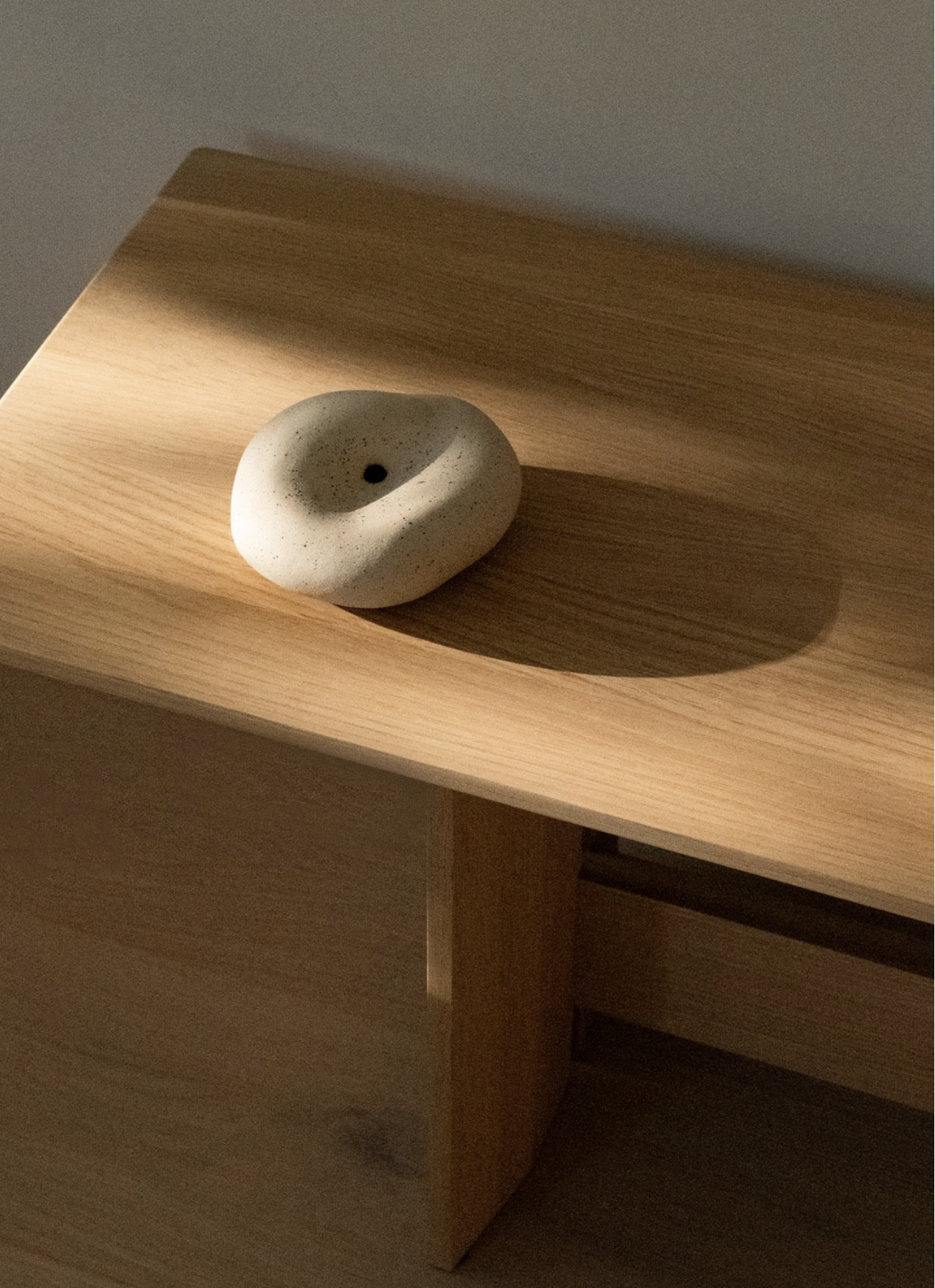
Photo sourced from: Norm Architects
Furnishings: Less, But Considered
Meditation spaces benefit from restraint.
Rather than filling the room, furnishings should support posture and comfort. This may include:
Floor cushions or meditation benches
A supportive chair for seated practice
A simple rug to define the space
One or two meaningful objects, such as a sculptural piece or natural element
Every item should serve a purpose, either functional or contemplative.
Storage and Visual Simplicity
Clutter interrupts mindfulness.
Incorporating discreet storage allows necessary items, such as blankets, cushions, or books, to remain accessible without remaining visually present. Clean surfaces and clear sightlines help quiet the mind and reinforce a sense of order.
Creating a Ritual, Not Just a Room
A meditation space becomes truly effective when it supports ritual.
This may include:
Morning light for beginning the day
Evening quiet for reflection
A consistent place for breathing, journaling, or prayer
Design helps anchor these moments, making them easier to return to amid busy schedules.
A Space That Evolves With You
Mindfulness is not static, and neither is the home.
A well-designed meditation space allows flexibility, adapting as practices change or deepen over time. What remains constant is the role the space plays in supporting balance, presence, and well-being.
At StudioVera Design, we approach meditation and mindfulness spaces as integral parts of the home, designed with the same care and thought as any other room.
Inquire today to begin your health-centered design journey.