
New Construction With Purpose: What to Know Before Building Your Dream Home
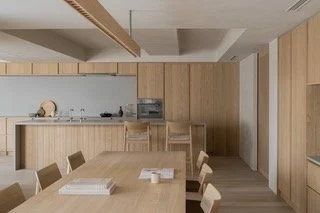
Photo sourced from: Karimoku Case
Building a new home is a rare opportunity.
Unlike renovation, new construction allows you to design every detail with purpose—from how the home sits on the land to how it supports your daily rhythms. For homeowners seeking more than aesthetics, this is the moment to consider health not as an add-on, but as a foundational design principle.
A health-centered home is not defined solely by trends or technology. It is defined by how well it supports comfort, renewal, longevity, and ease—today and for years to come.
Below are key considerations for building a health-focused home. While there are many technical and structural elements involved in new construction, these principles help guide decisions that directly impact how a home feels and functions over time.
Before breaking ground, these considerations will shape both the experience of building and the life you will live within the home.
Begin With Lifestyle, Not Floor Plans
One of the most common missteps in new construction is designing from the outside in, starting with square footage or architectural features before understanding how the home will actually be lived in.
A health-focused design process begins with lifestyle:
How do you move through your day?
Where do you seek quiet, connection, or restoration?
How do you entertain, retreat, work, or recharge?
When these patterns are clearly defined early, the floor plan becomes a response to real life rather than a static arrangement of rooms.
This approach creates homes that feel intuitive rather than imposed.
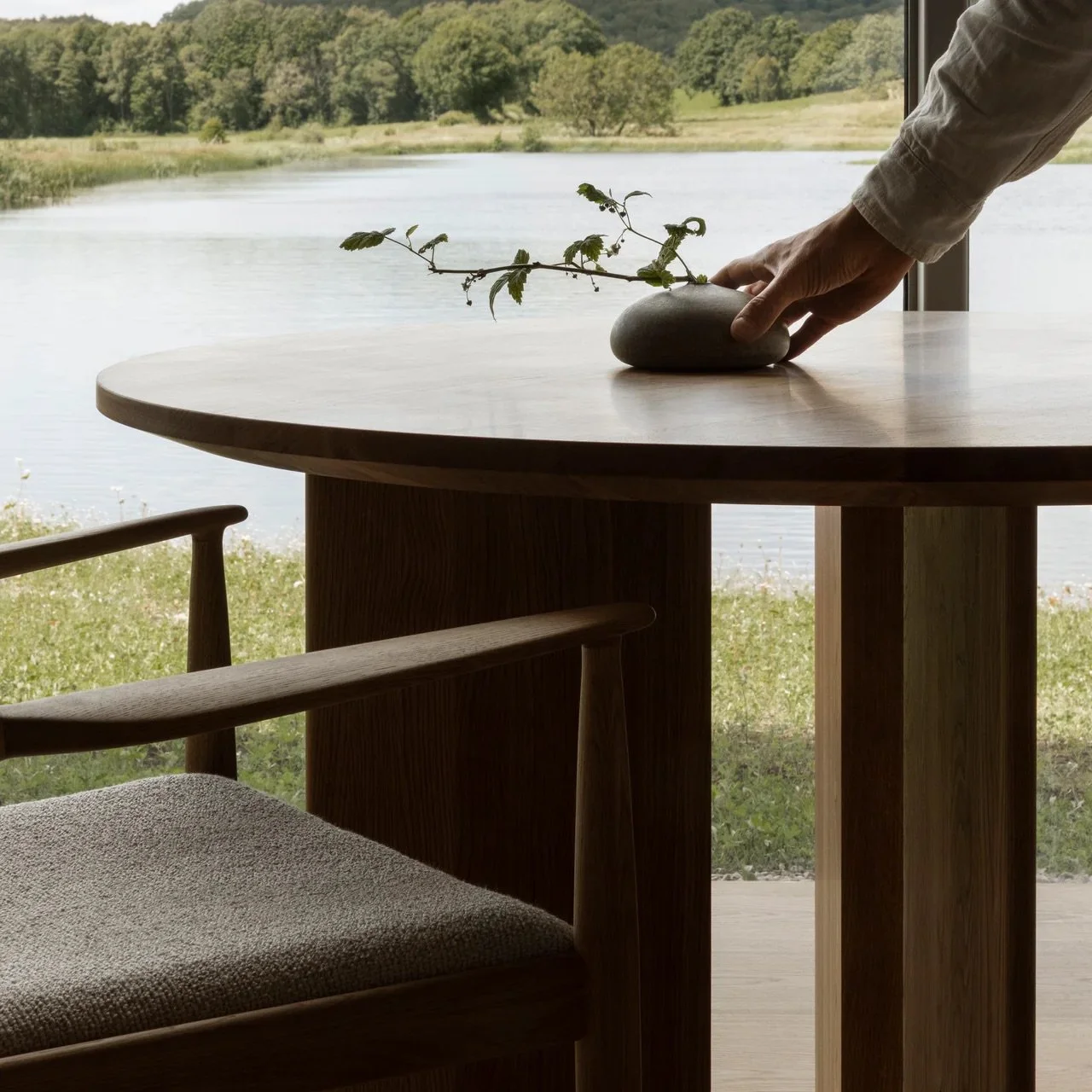
Photo sourced from: Karimoku Case
Site Orientation and Natural Light Matter More Than You Think
The relationship between a home and its environment is central to regenerative design.
Before plans are finalized, careful attention should be given to:
Orientation of the home on the site
Movement of natural light throughout the day
Views from primary living spaces and bedrooms
Opportunities for indoor-outdoor connection
Natural daylight supports circadian rhythms, energy levels, and overall well-being. Thoughtful placement of windows, overhangs, and outdoor spaces ensures light is balanced rather than overwhelming.
These decisions must be made early. Once framing begins, they are difficult and costly to correct.
Air, Water, and Materials: The Invisible Infrastructure of Longevity
A true health-centered home considers what cannot be seen.
Indoor air quality, water filtration, and material selection play a significant role in how a home feels over time. In new construction, these systems can be seamlessly integrated rather than retrofitted later.
Key considerations include:
HVAC systems designed for air purification and circulation
Low-VOC and non-toxic materials and finishes
Whole-home water filtration systems and an additional filter in the kitchen for drinking water
Moisture management and mold prevention strategies
These elements quietly support health and comfort without drawing attention to themselves—an essential aspect of refined, health-centered design.
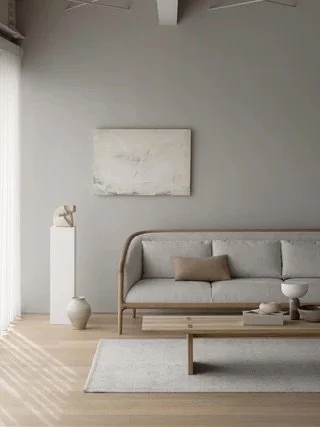
Photo sourced from: Karimoku Case
Acoustics, Flow, and Spatial Balance
Homes can often be large, but scale alone does not guarantee comfort.
Acoustics and spatial flow influence how calm or chaotic a home feels. Poor sound control, long corridors, or oversized rooms without balance can disrupt a sense of ease.
A health-driven design approach considers:
Acoustic separation between active and quiet zones
Thoughtful transitions between public and private spaces
Proportions that feel grounding rather than overwhelming
Circulation paths that reduce noise and visual clutter
When these elements are resolved early in the design phase, the home feels composed and intentional.
Storage and Organization as a Longevity Strategy
Clutter is not a failure of discipline—it is often a failure of design.
Custom storage planning is one of the most overlooked aspects of new construction, yet it is essential for long-term well-being. Storage should support how you live, not simply meet minimum requirements.
Well-designed homes include:
Dedicated spaces for daily rituals and routines
Thoughtfully placed storage near points of use
Hidden storage that maintains visual calm
Flexible solutions that adapt over time
A home that supports order supports clarity.
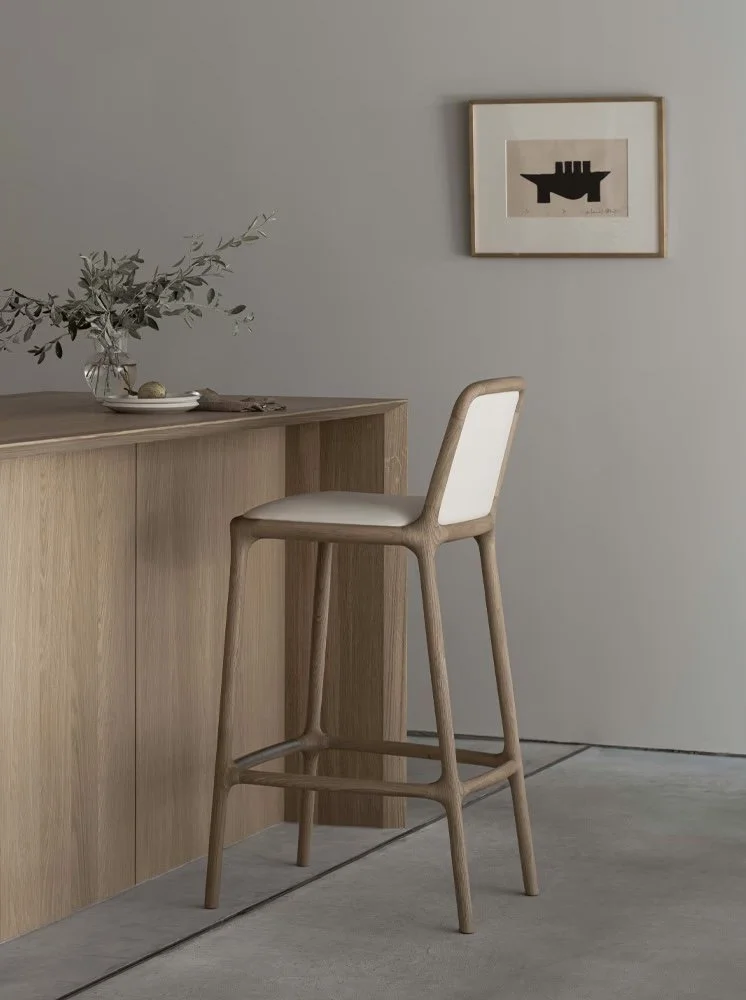
Photo sourced from: Karimoku Case
The Importance of an Integrated Design Team
Building a health-centered home requires collaboration.
Architects, builders, and interior designers must work together from the earliest stages to ensure that regenerative principles are embedded, not compromised, throughout the process.
Engaging an interior designer early allows:
Alignment between architectural intent and interior experience
Material and system decisions to be made cohesively
Budget clarity and fewer revisions during construction
A smoother, more efficient building process
This integrated approach protects both the vision and the investment.
Building With Purpose
A health-centered dream home is not about excess. It is about intention.
When new construction is approached thoughtfully, the result is a home that supports health, comfort, and longevity—while remaining timeless and deeply personal.
For homeowners considering this path, the most important step is beginning the conversation early. Purposeful design takes time and expertise.
At StudioVera Design, we can help guide clients through new construction with a focus on longevity, balance, and enduring livability—creating homes designed to support life well lived.
Inquire today to begin your health-centered design journey.