
How Interior Design Supports Family and Connection
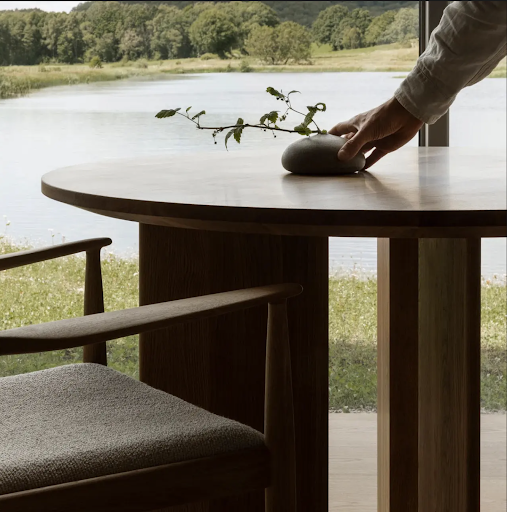
Photo sourced from: Norm Architects
In a world that pulls families in a hundred different directions, home should be the place that gathers everyone back together.
Interior design, at its best, is not about aesthetics alone. It is about shaping behaviour, supporting wellbeing, and quietly encouraging connection. The way a space is laid out, lit and layered influences how we interact within it. Thoughtful design can foster conversation, calm tension and create rituals that strengthen family life.
Here is how interior design, approached intentionally, can support family longevity and deeper connection.
Design for Togetherness, Not Just Television
Many living rooms are arranged around a screen. It’s understandable — but it subtly shifts focus away from one another.
Consider reorienting seating to encourage eye contact. A pair of sofas facing each other, or a circular arrangement of armchairs, naturally invites conversation. Even a large coffee table at the centre becomes a shared anchor for board games, puzzles or Sunday newspapers.
Open-plan spaces can be powerful when zoned properly. A kitchen island with stools encourages children to perch while dinner is prepared. A generous dining table becomes more than a place to eat; it becomes a homework station, a craft table, a late-night chat spot.
Design shapes habit. If the room invites gathering, gathering will happen.
Prioritize the Dining Table as a Ritual Space
The family meal remains one of the most consistent predictors of emotional wellbeing in children. The space in which it happens matters.
Invest in comfortable chairs. Use warm lighting — ideally a pendant that casts a gentle pool of light over the table. Avoid harsh spotlights. Candles on an ordinary Tuesday can transform the mood entirely.
You don’t need a formal dining room. Even a modest kitchen table can feel special with thoughtful styling and uncluttered surfaces. The key is consistency — a place that quietly signals: this is where we come together.
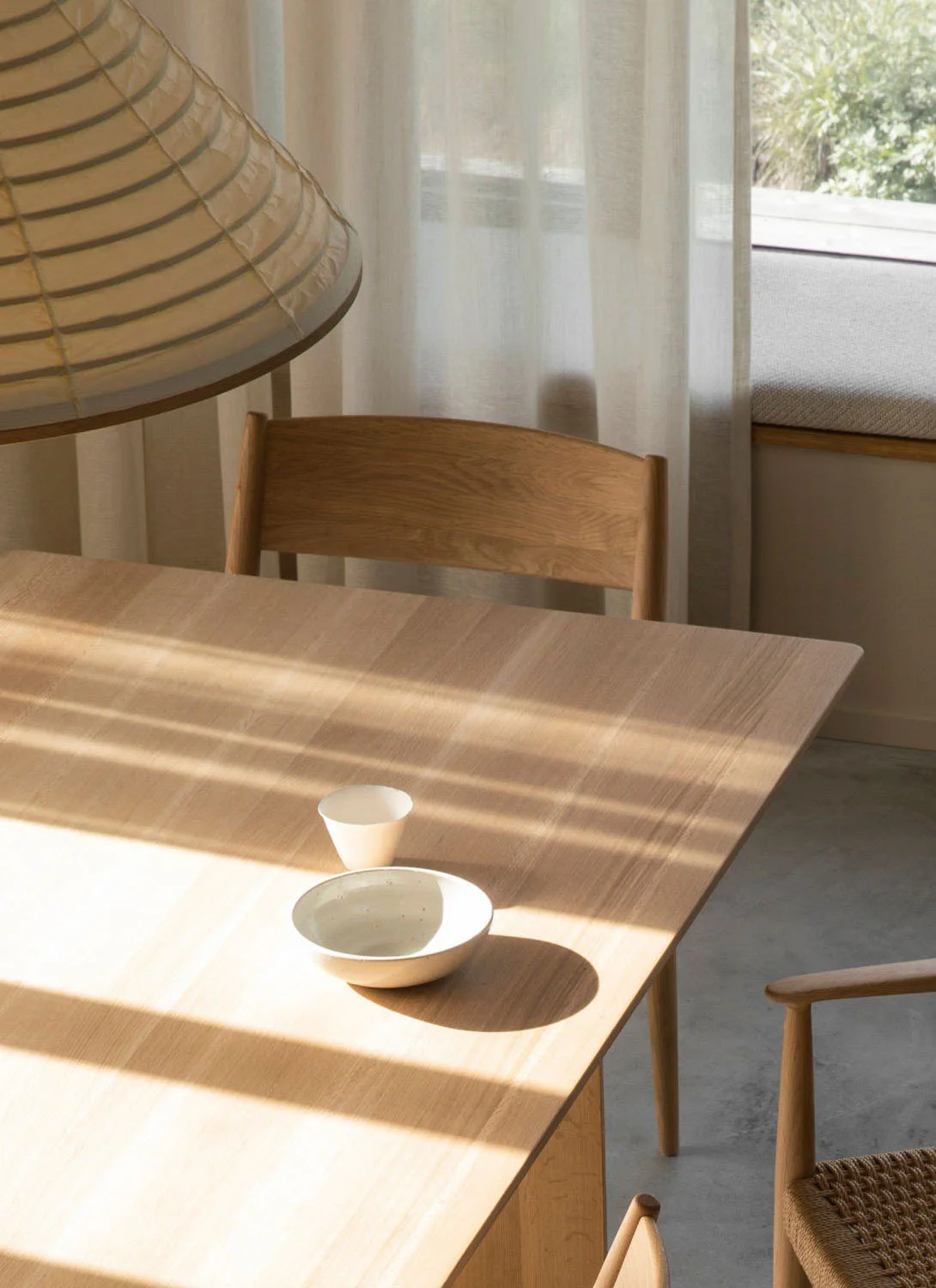
Photo sourced from: Norm Architects
Create Personal Retreats Within Shared Spaces
Connection flourishes when individuals feel regulated. That means designing spaces that support both togetherness and solitude.
A window seat with cushions, a reading nook beneath the stairs, or even a small desk tucked into a corner allows family members to decompress without withdrawing entirely. When each person has a small sanctuary, shared spaces feel less overwhelming — and patience tends to increase accordingly.
Reduce Friction Through Smart Storage
Clutter is rarely just visual; it is emotional. Piles of shoes by the door, school bags abandoned in hallways, unopened post on the counter — all create low-level tension.
Design can eliminate these stress points.
Built-in benches with hidden storage in entryways
Clearly defined hooks for coats and bags
Lidded baskets for toys
Drawer dividers in busy kitchens
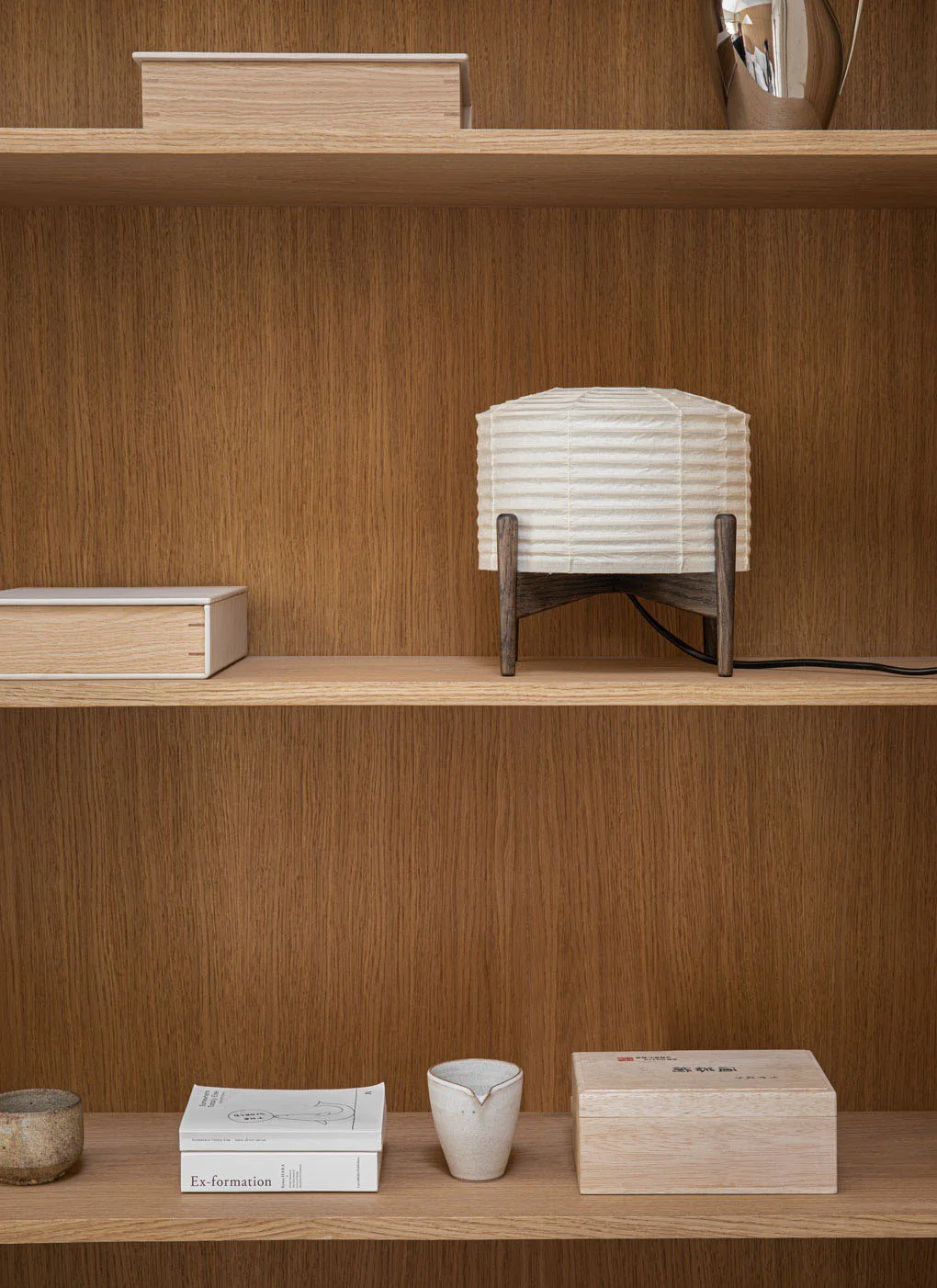
Photo sourced from: Norm Architects
Use Colour and Texture to Regulate Mood
Families are dynamic. Energy levels fluctuate. Design can gently moderate this.
Soft greens and warm neutrals in communal spaces promote calm conversation. Cozy textiles — wool throws, layered cushions, upholstered dining chairs — create physical comfort that translates into emotional comfort.
In high-energy areas such as playrooms, slightly brighter tones can stimulate creativity. But balance is essential. Overstimulation often leads to overwhelm.
A well-designed home feels steady. It holds the family, even on chaotic days.
Encourage Shared Experiences Through Layout
Think beyond furniture placement. Consider how movement flows through your home.
Is there space on the floor for building train tracks? Is the kitchen island wide enough for baking together? Is there a clear pathway that allows multiple people to cook at once without frustration?
Small adjustments — widening a walkway, relocating a chair, lowering a shelf so children can access books independently — promote participation.
When children can reach what they need, they feel capable. When adults aren’t constantly navigating obstacles, they feel calmer. Both support connection.
Bring Nature Into Family Life
Exposure to natural elements lowers stress for adults and children alike.
Houseplants, natural wood finishes, baskets woven from seagrass, linen curtains that move with the breeze — these details soften a home’s energy. If you have a garden, ensure sightlines from key rooms allow you to see greenery even when indoors.
Biophilic design is not trend-led; it is human-led. We are wired to relax in the presence of nature.
Design for Conversation
Finally, consider acoustics and lighting — often overlooked yet profoundly important.
Layer lighting so that evenings feel gentle rather than clinical. Table lamps and wall lights create intimacy. Rugs and upholstered furniture absorb sound, preventing echo in open-plan spaces.
When a room feels acoustically comfortable, voices naturally soften. Conversations linger.
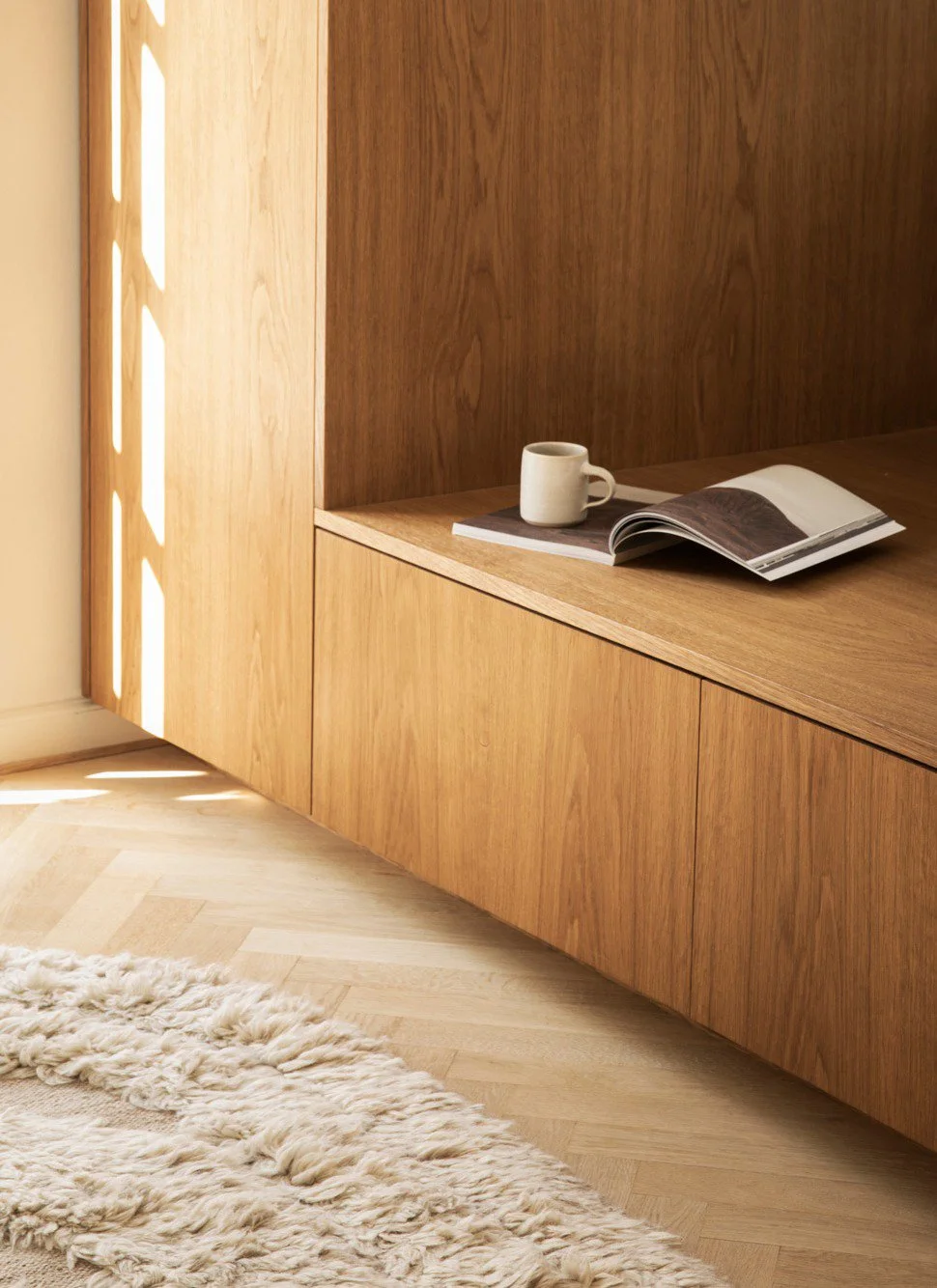
Photo sourced from: Norm Architects
A Home That Works With You
Interior design cannot solve every family challenge. But it can remove unnecessary strain. It can encourage rituals. It can make gathering feel effortless rather than forced.
A well-designed home supports the rhythm of family life — the early-morning rush, the after-school chatter, the quiet cup of tea once everyone is asleep.
Ultimately, design is not about impressing guests. It is about nurturing the people who live within those walls.
And when a home is shaped with regenerative and connection in mind, it does something rather wonderful: it brings everyone a little closer together.
At StudioVera Design, we guide clients through the color selection process, ensuring each space supports both well-being and enduring beauty.
Inquire today to begin your wellness-centered design journey.